What Is the Difference Between Mold Inspection and Testing?
An inspection is a person in your home looking for mold and the moisture behind it. Testing is samples sent to a lab. Most mold problems are sorted out with an inspection alone, and plenty never need a single sample.
What an inspection covers
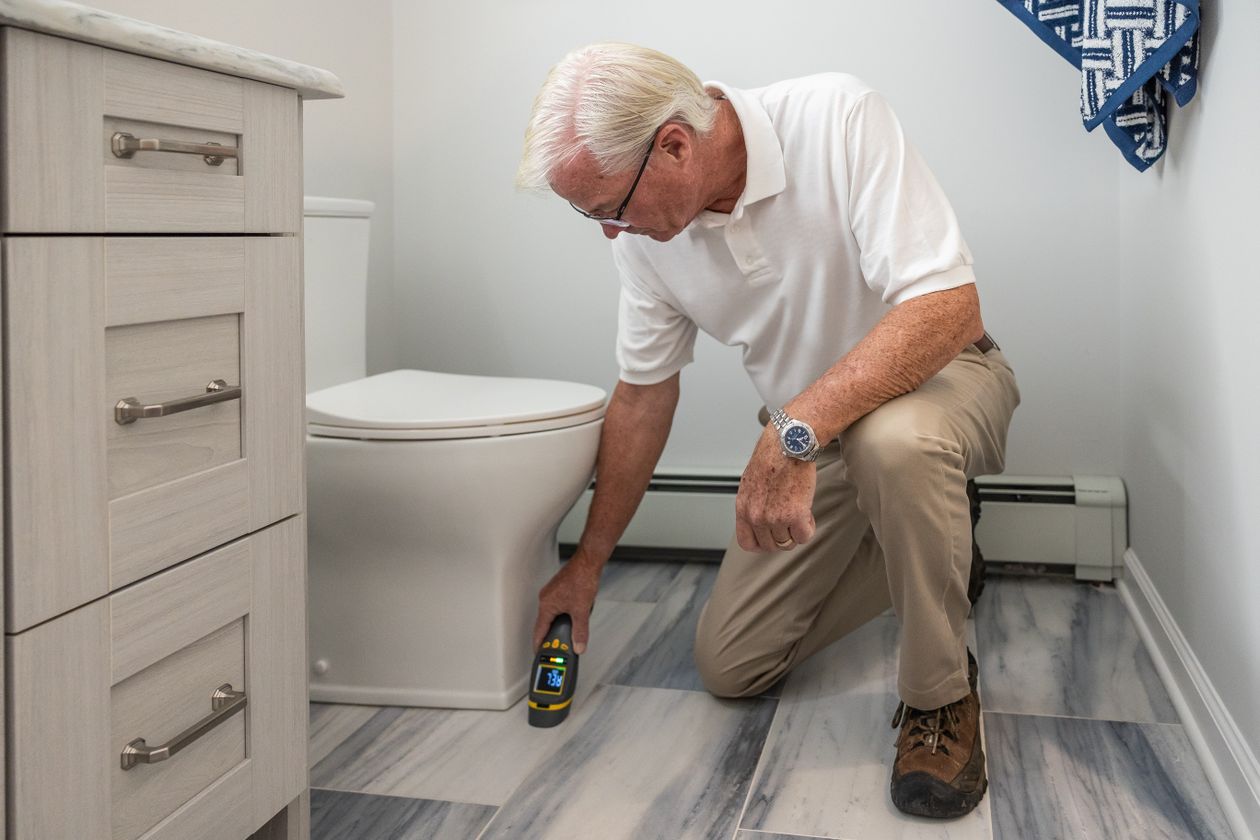
A proper inspection covers the whole home, not just the spot you already found. The inspector checks bathrooms, the kitchen and laundry area, then the places mold hides: the crawl space, the attic, around the HVAC system and air handler, and behind appliances that use water. They take moisture readings in walls and floors, and they trace the water. A ceiling stain might come from a roof leak, a sweating duct or a plumbing drip, and each needs a different fix. You should come away knowing where the growth is, how far it reaches, what's feeding it and what should happen next.
What testing adds
Air and surface samples go to a lab, which identifies the kinds of mold present. For air samples, it also compares indoor levels with a sample taken outside, which matters because mold spores are in all air, indoors and out. Testing is useful when growth is suspected but can't be seen, when you need the type identified, or when a home sale, a landlord or an insurance claim needs a written lab report. After a cleanup, a follow-up test can confirm levels are back in line with outdoor air.
Signs You Need a Professional Assessment
If any of these sound familiar, have a specialist look before you try another round of cleaning.
- Visible growth on walls, ceilings, grout or window frames
- A musty, earthy smell that comes back after cleaning and airing out
- A roof leak, plumbing leak or flood in the past year, even a small one
- Water stains, bubbling paint or soft drywall
- Coughing, congestion or itchy eyes that ease when you leave the house
- Growth that returns to the same spot after you scrub it
- Mold came up while you're buying or selling a home
- Condensation that never dries in the crawl space or attic
On health: the EPA says mold exposure can irritate the eyes, skin, nose and throat, and people with allergies or asthma often feel it more. An inspection can't diagnose anyone, though. If someone at home is unwell, see a doctor about the person and a specialist about the house.
Air Sampling and Surface Sampling
Air sampling pulls a measured amount of air through a cassette that traps spores, and the lab counts and identifies them. A careful tester takes an outdoor sample the same day for comparison, because indoor numbers only mean something next to that baseline. Surface sampling uses a swab or a piece of tape on a visible patch and tells you what that particular growth is.
Air sampling suits the problem you can smell but can't see, because it can show raised levels of the types that grow inside walls. Surface sampling suits identification, when the growth is in plain view but you need to know what it is for a report or a dispute. A specialist should be able to explain which sample they're taking and why. If they want to sample everything in sight without a reason, ask questions.
What Can Lab Results Tell You?
A lab report lists the mold types found, with counts or percentages for each. It can show whether indoor air looks like outdoor air with a few extra spores, or whether one type that likes growing indoors is dominating, which points to an active colony somewhere. Together with the inspection findings, that's enough to plan a cleanup.
It has limits. There are no federal standards for a safe or unsafe spore count, so no report can say your home passed or failed. A test is also a snapshot. Spore levels change with the weather and the season, so one low result doesn't prove there's no hidden problem, and one high result doesn't prove a disaster. Treat results as one piece of evidence next to the moisture readings and what the inspector saw.
Are DIY Mold Test Kits Worth It?
Usually not. The hardware store kit is a petri dish you leave open and then mail off if something grows. Something nearly always grows, because every home, healthy ones included, has mold spores in the air. The kit can't tell you whether the growth came from a colony in your wall or from spores that blew in through a window, and it says nothing about moisture, which is what you need to fix.
Many kits also charge extra at the lab stage, and what you get back is a list of common molds with no interpretation and no plan. Most people end up needing a real assessment a few weeks later anyway. If money is tight, put it toward getting the problem assessed and fixed.
What Happens After the Results?
Sometimes it's good news: a small patch and a simple moisture fix you can handle yourself. The EPA says homeowners can usually deal with areas under about ten square feet on hard surfaces. Sometimes it's a real job, and then it helps to know what proper remediation looks like before you get a quote. Our guide to how mold remediation works covers containment, removal, cleaning and drying step by step.
The assessment findings also drive the price. Our page on what affects the cost of mold removal explains each factor, so the quote makes sense when you see it. One local point: North Carolina doesn't license mold inspectors or remediators, so ask any specialist what training they hold. The About page lists the questions we'd ask.
Questions About Inspections and Testing
Do I need mold testing if I can already see the mold?
Often not. The EPA's guidance is that when mold is visible, sampling usually isn't needed to know there's a problem to fix. An inspection still helps, because the visible patch is rarely the whole story: the inspector checks how far it has spread, looks for hidden growth and finds the moisture. Testing is more useful when growth is suspected but not visible, or when you need the type identified in writing.
How long does a mold inspection take?
Usually one visit. The length depends on the size of the home and how much of it needs checking. A small condo with one bathroom patch is quick. A larger home with a crawl space, an attic and a few suspect rooms takes longer, because the inspector takes moisture readings throughout. If samples are taken, lab results come back afterwards.
Will a mold test tell me if the mold in my home is dangerous?
No. A lab report identifies the kinds of mold present and compares indoor levels with outdoor air. It can't say whether a home is safe for a particular person, because people react to mold very differently and there are no federal pass or fail limits for indoor mold. Health questions are for a doctor. The test tells you what's growing and where, which is what you need for the cleanup.
Should I get a mold inspection before buying a home in Wilmington?
It's worth considering. Many Wilmington homes sit over crawl spaces, and a house that stood empty through a humid summer or took water in a storm can hide growth a normal walkthrough misses. Moisture readings in the crawl space and attic show you the real condition before you sign, or give you documented findings to raise with the seller.
What if testing comes back clear but I can still smell mold?
Keep looking. An air sample captures one moment in one spot, and growth behind a wall, under flooring or inside ductwork may not release much into the room on the day of the test. A musty smell that survives cleaning usually means something is growing somewhere. Moisture readings and a careful look in the hidden spaces can find what an air sample misses.
Need the Mold Gone, Not Just Identified?
If you have mold you want removed, call and tell us about it. We'll connect you with a local specialist for the assessment and the removal work.